
Does Home Insurance Cover Water Damage in Winston-Salem? A Local Contractor Explains
- Dillon Socha
- Oct 17, 2024
- 2 min read

Updated: Dec 23, 2025
Water damage is one of the most stressful issues a homeowner can face. Between soaked flooring, damaged drywall, and the fear of mold, most people in Winston‑Salem ask the same question almost immediately:
“Will my insurance cover this?”

The answer is sometimes — but not always. As a local restoration contractor working with homeowners and insurance adjusters, we see confusion around water damage claims every week. This guide breaks it down clearly so you know what to expect, what’s typically covered, and what steps protect your claim.
⸻
What Types of Water Damage Are Usually Covered?
Most homeowners insurance policies in North Carolina cover sudden and accidental water damage, including:
• Burst pipes
• Supply line failures
• Water heater ruptures
• Appliance leaks (washing machines, dishwashers, refrigerators)
• Overflow from plumbing failures
If the damage happened suddenly and wasn’t ignored, there’s a good chance your claim is valid.
⸻
What Water Damage Is Usually NOT Covered?
Insurance companies often deny claims tied to long-term or preventable issues, such as:
• Slow leaks over time
• Repeated moisture problems
• Poor maintenance
• Pre-existing mold
• Groundwater or flooding (requires separate flood insurance)
This is where many homeowners get caught off guard. Water damage that looks sudden may actually be considered long-term once walls are opened.
⸻
Why Documentation Matters More Than Anything
Insurance approval often hinges on how the damage is documented, not just what happened.
That’s why professional mitigation matters. Proper documentation includes:
• Moisture readings
• Photos of affected materials
• Identification of the water source
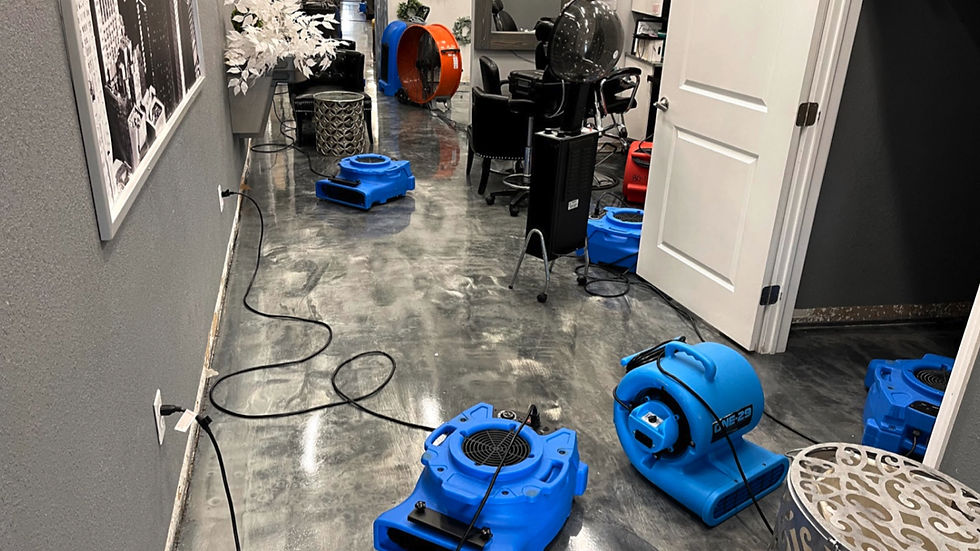
• Drying logs and equipment usage
Without this, adjusters may question the severity or deny parts of the claim.
👉 Related read: Water Damage in Winston-Salem Homes: What to Do in the First 24 Hours
⸻
Mold and Insurance: A Gray Area
Mold coverage varies wildly by policy. Some include limited mold remediation; others exclude it entirely unless tied directly to a covered water event.
The key factor is timing. Quick mitigation helps show the mold resulted from a covered loss — not neglect.
👉 Related read: Hidden Water Damage in Winston-Salem: How Leaks Turn Into Mold Problems
⸻
Should You Call Insurance or a Contractor First?
If there’s active water or visible damage, call a restoration contractor first to stop further loss. Most policies require you to mitigate damage immediately.
Once the situation is stabilized, then file the claim.
⸻
Final Thoughts
Water damage insurance claims don’t have to be overwhelming — but they do require the right steps, fast action, and proper documentation.
If you’re dealing with water damage and aren’t sure whether it’s covered, getting professional guidance early can save thousands.

Comments